Associate Professor, National Institute of Education, Nanyang Technological University, Singapore
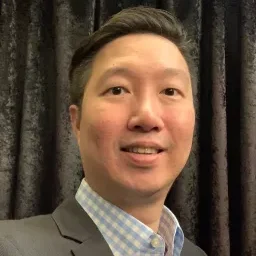
Associate Professor, National Institute of Education, Nanyang Technological University, Singapore
Fei Victor Lim is Associate Professor and Deputy Head (Research) in English Language and Literature at the National Institute of Education, Nanyang Technological University, Singapore. His research and teaching focus on multiliteracies, multimodal discourse analysis, and digital learning. He serves as an Editor of Multimodality and Society and Associate Editor of Computers and Composition. He is also bringing together a community interested in multimodality and learning through a global initiative, MERLIN (Multimodality in Educational Research and Learning International Network). Victor has secured and led multiple research grants as Principal Investigator and Co-Principal Investigator, delivered keynote and plenary lectures internationally, and published widely in leading journals on multimodality in education. For his contributions, he has been recognised among the top 2% of scientists worldwide in Education and in Language and Linguistics (2023–2025) in a study conducted by Stanford University, and has received awards for excellence in research, teaching, and service.
Professor, Department of Education, Policy, Organization and Leadership, University of Illinois, Urbana-Champaign
Professor, Department of Education, Policy, Organization and Leadership, University of Illinois, Urbana-Champaign

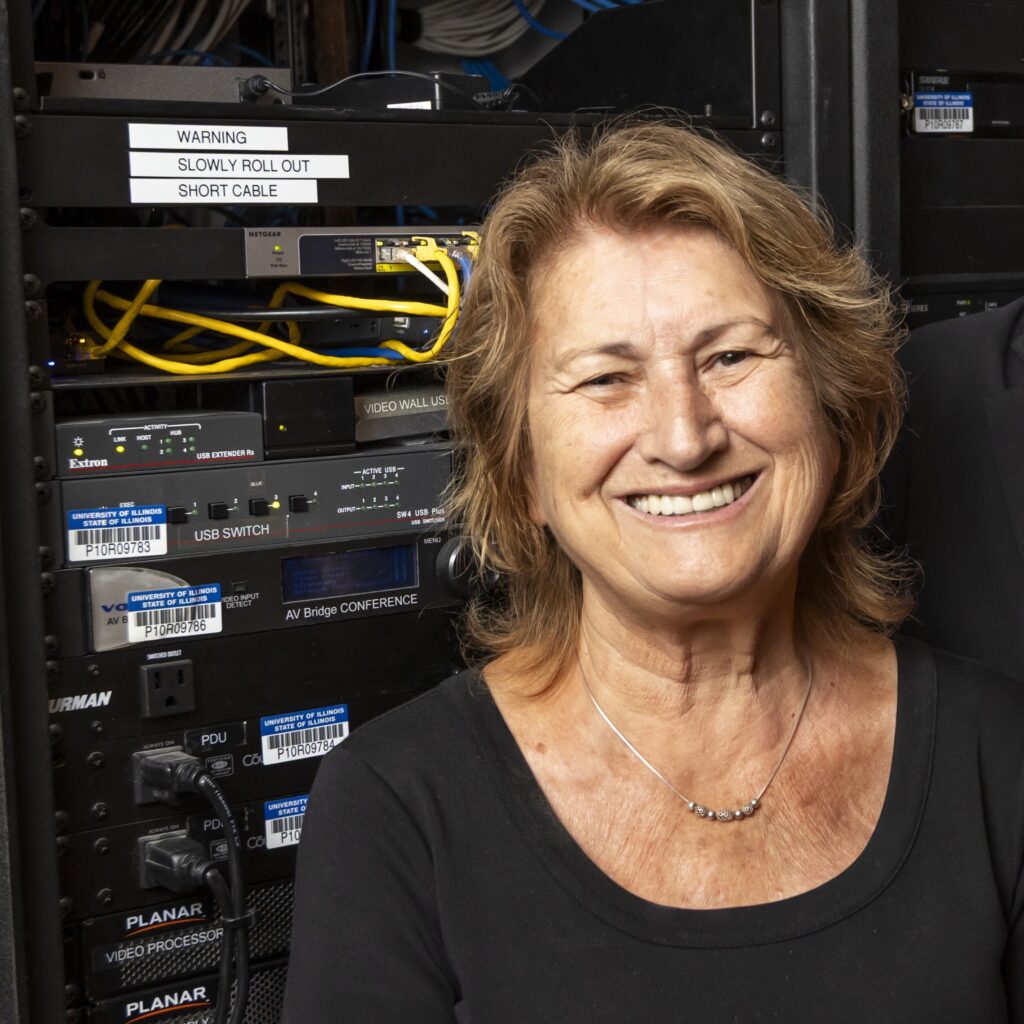
Mary Kalantzis was from 2006 to 2016 Dean of the College of Education at the University of Illinois, Urbana-Champaign. Before this, she was Dean of the Faculty of Education, Language and Community Services at RMIT University, Melbourne, Australia, and President of the Australian Council of Deans of Education. She has co-authored with Bill Cope: New Learning: Elements of a Science of Education, Cambridge University Press, 2008 (3rd edition, 2024); Literacies, Cambridge University Press 2012 (2nd edition, 2016); and the two volume grammar of multimodal meaning: Making Sense and Adding Sense, Cambridge University Press, 2020.
Professor, Department of Communication and Media, University of Liverpool, UK
Professor, Department of Communication and Media, University of Liverpool, UK
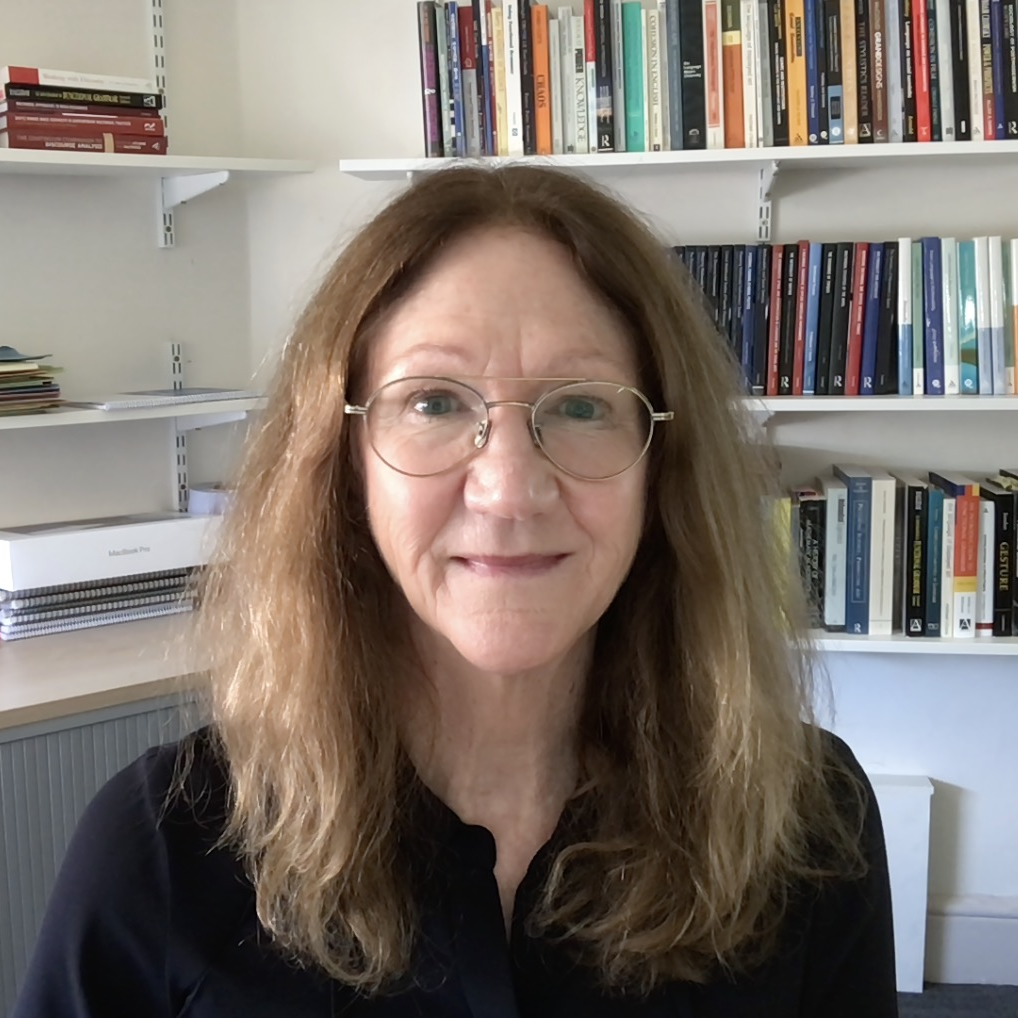
Professor Kay O’Halloran is Chair Professor, Head of the Department of Communication and Media (2019–present) and Co-Director of the Digital Media & Society Institute (2023—present) at the University of Liverpool. Her research area is multimodal analysis involving the study of language, images and other resources in texts, interactions and events. She has extensive experience in developing multimodal literacy approaches, with a specific interest in mathematics and scientific discourse. Over the past two decades she has focused on the development and use of digital tools and techniques for multimodal analysis and mixed methods approaches to digital communications. Her current research involves the use of multimodal AI and context-based information fusion approaches for analysing online and social media at scale.
Professor, College of Humanities and Social Sciences, Hamad Bin Khalifa University, Quatar
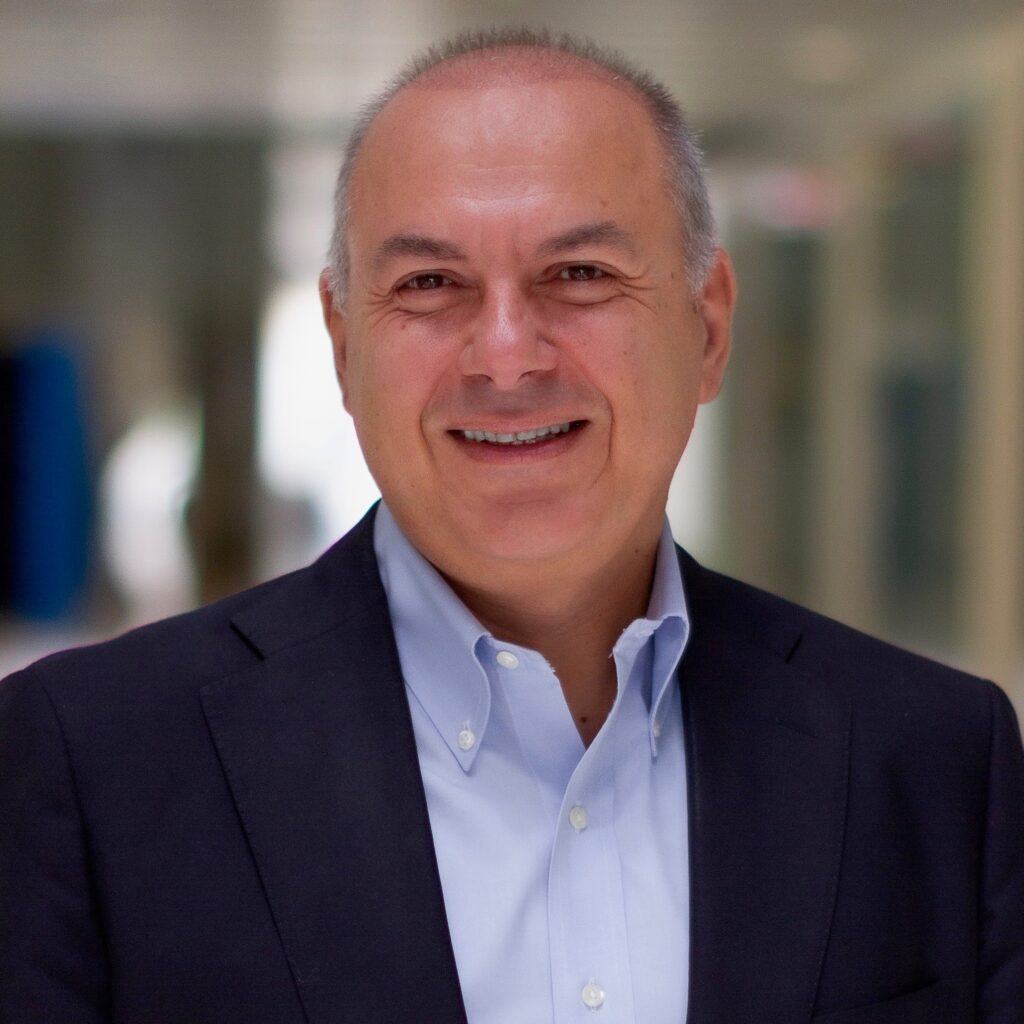
Professor, College of Humanities and Social Sciences, Hamad Bin Khalifa University, Quatar
George Mikros is a Professor and the MA Program Coordinator for Digital Humanities and Societies at the College of Humanities and Social Sciences at Hamad Bin Khalifa University in Qatar. Moreover, he has been a Lecturer in the Department of Applied Linguistics at the University of Massachusetts, Boston, since 2013. Before his current roles, he spent two decades (1999-2019) at the University of Athens as a Professor of Computational and Quantitative Linguistics, where he established and led the Computational Stylistics Lab. Earlier, he worked as a researcher at the Institute for Language and Speech Processing, contributing to the development of foundational Modern Greek resources and tools. His extensive academic record includes 5 monographs and over 150 peer-reviewed publications. He has delivered keynote addresses at more than 100 international events covering Digital Humanities, AI, Greek Linguistics and AI, Forensic Linguistics, and Quantitative Linguistics.
Professor, Department of Education, Policy, Organization and Leadership, University of Illinois, Urbana-Champaign
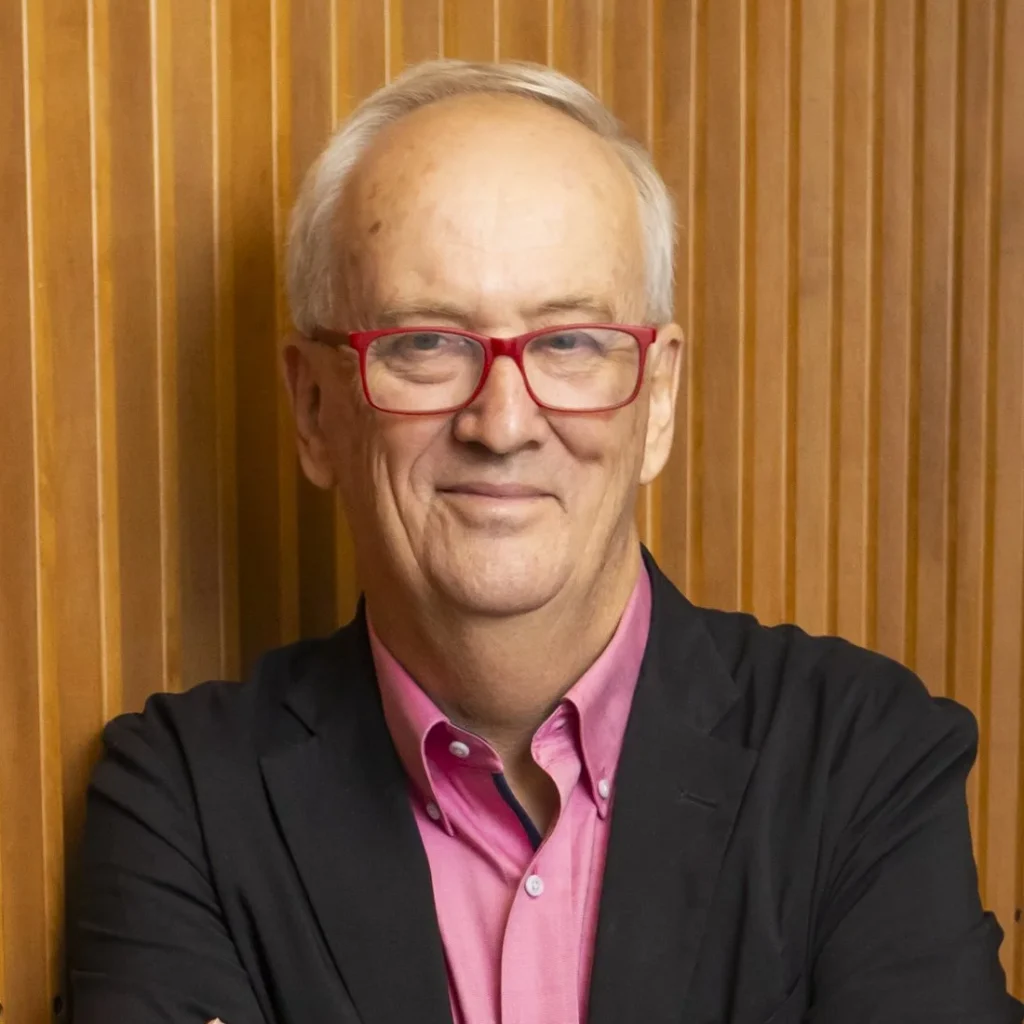
Professor, Department of Education, Policy, Organization and Leadership, University of Illinois, Urbana-Champaign

Bill Cope is a Professor in the Department of Education Policy, Organization & Leadership, University of Illinois, Urbana-Champaign and a leading scholar in the fields of literacy and technology-mediated learning. His recent research has focused on the development of AI-supported digital writing and assessment technologies. In conjunction with Common Ground, he has led the development of CGScholar and CyberScholar platforms with the support of grants from the US Department of Education, the Bill and Melinda Gates Foundation, and the National Science Foundation.
Professor Emerita & Director of the Research Institute Multilingualism and Language Policy, National and Kapodistrian University of Athens
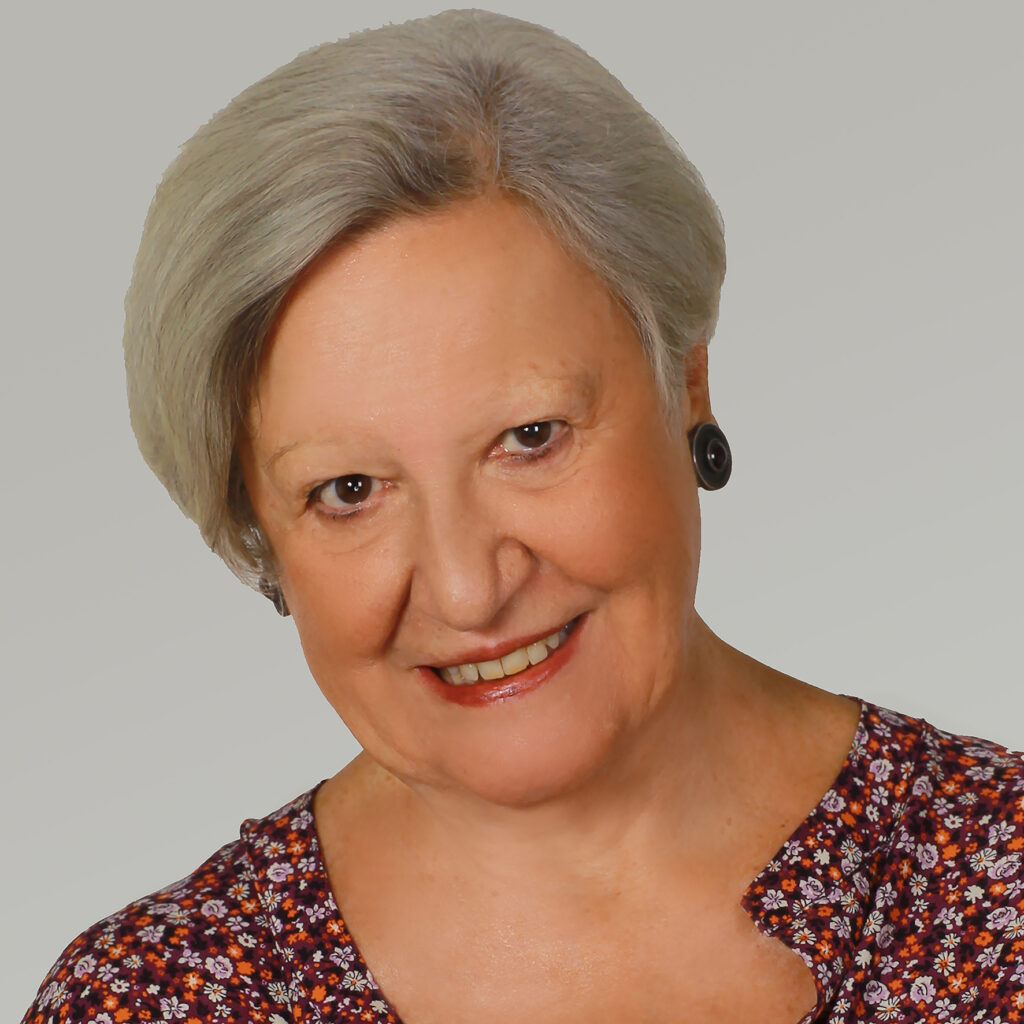
Professor Emerita & Director of the Research Institute Multilingualism and Language Policy, National and Kapodistrian University of Athens

Bessie Dendrinos is Head of the Examination Board of the Greek National Foreign Languages Examination Suite known as KPG, and President of the European organisation ECSPM, home of the CURUM alliance. Her research interests lie in foreign language pedagogy, curriculum and materials development, plurilingual competence and intra-/cross-linguistic mediation, language testing and assessment. Her interest in socially accountable applied linguistics has also led her to investigate the bureaucratic discourse in Greek public documents, as well as linguistically construed gender ideology and the linguistic representations of poverty and of ecology. Her publications appear in English and Greek, but also in Spanish, Portuguese and French. Her book, The Hegemony of English (Routledge), co-authored with Macedo and Gounari, received the 2004 American Educational Studies Association Critics’ Choice Award in the USA and was translated in several languages.
Professor, Faculty of Arts, Design & Architecture, School of the Arts and Media, UNSW Sydney, Australia
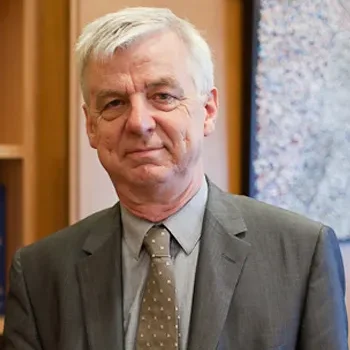
Professor, Faculty of Arts, Design & Architecture, School of the Arts and Media, UNSW Sydney, Australia
Theo van Leeuwen was appointed Honorary Professor in the School of the Arts and Media, UNSW Sydney, in 2016. He is Emeritus Professor and former Dean of Arts at the University of Technology Sydney; Professor of Multimodal Communication at the University of Southern Denmark, Odense; and Honorary Professor at the Australian Catholic University and the University of Lancaster, as well as a Fellow of the Australian Academy of the Humanities. Professor van Leeuwen is a founding figure of social semiotic approaches to media and communication, and a founding editor of the international journal, Visual Communication. His many books include Reading Images: the Grammar of Visual Design (with Gunther Kress; Routledge 2006); The Language of Colour (Routledge 2011); Speech, Music, Sound (MacMillan, 1999); Introducing Social Semiotics (Routledge, 2005); Global Media Discourse (with David Machin; Routledge 2007); and Multimodal Discourse: the Modes and Media of Contemporary Communication (with Gunther Kress; Arnold, 2001). His current work encompasses the intersection of multimodal studies with organization theory, the affordances of online shopping, and the visuality of family planning materials across cultures.